DRAFT A — as originally supplied, generic security-monitoring language. Not linked from the site nav. See Draft B (/security-honest) for the plain-language version. Not for publication until reviewed.
Security · Critical facilities
Integrated
protection
system.
Risk monitoring, situational awareness and response coordination for critical facilities.
One service · Multiple domains · Single coordination
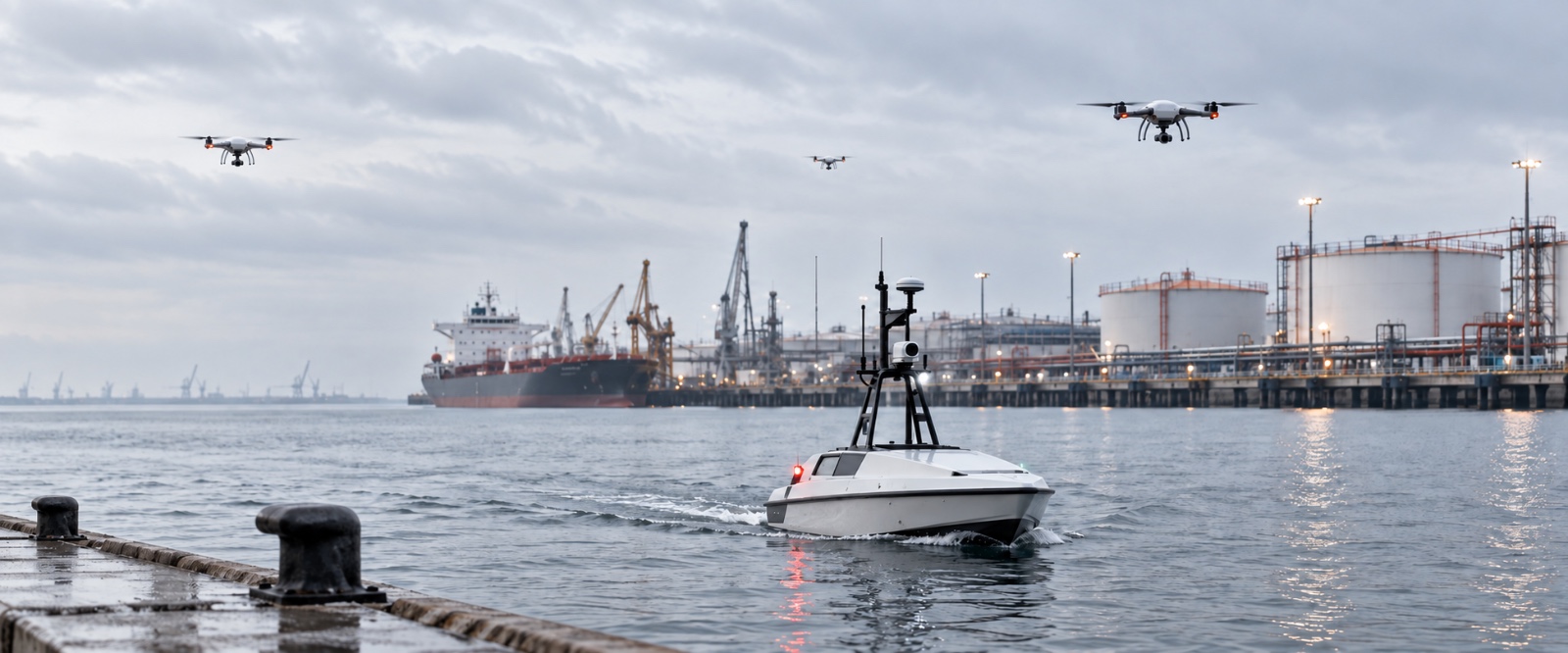
01Site controlSurveillance of the perimeter and key zones, event detection and data transfer to the coordination centre.
02Air domainMonitoring of the airspace and visual confirmation of detected events.
03Maritime domainControl of the designated water area, berths, roadstead and approaches to the facility.
0424/7 Monitoring & Coordination CentreA single point for data collection, alerting, response coordination and reporting.
What we can protect
Critical facilities across key sectors
Protection of critical facilities in key sectors of the economy and infrastructure.
Energy
Combined heat and power plants and thermal power stations
Substations
Heat-generating facilities
Ports
Port and grain terminals
Berths
Port approaches
Logistics
Logistics hubs
Sorting terminals
Grain elevators and storage
Distribution centres
Industry
Plants and factories
Manufacturing enterprises
Key production sites
Retail
Central warehouses of retail chains
Hypermarkets
Goods distribution centres
Fuel & reserves
Oil depots
Fuel terminals
Fuel storage facilities
Infrastructure
Water utilities and pumping stations
Telecom nodes
Critical engineering facilities
How the system works
From detection to documented result
From the initial detection of an event to operational response and recording of the outcome.
01Monitoring & detectionContinuous control of designated zones and the air situation using technical monitoring equipment.
02ConfirmationVerification of a detected event using available surveillance assets and gathering additional data.
03Situation assessmentCorrelation of the data received, determining the nature of the event and whether further action is needed.
04Operational responseOnce an event is confirmed, trained crews proceed according to established procedures.
05Recording & reportingResults are recorded: event log, available surveillance material, telemetry and final reporting.
Business continuity
Protecting business continuity
Aerial threats create risks for people, assets and the uninterrupted operation of businesses.
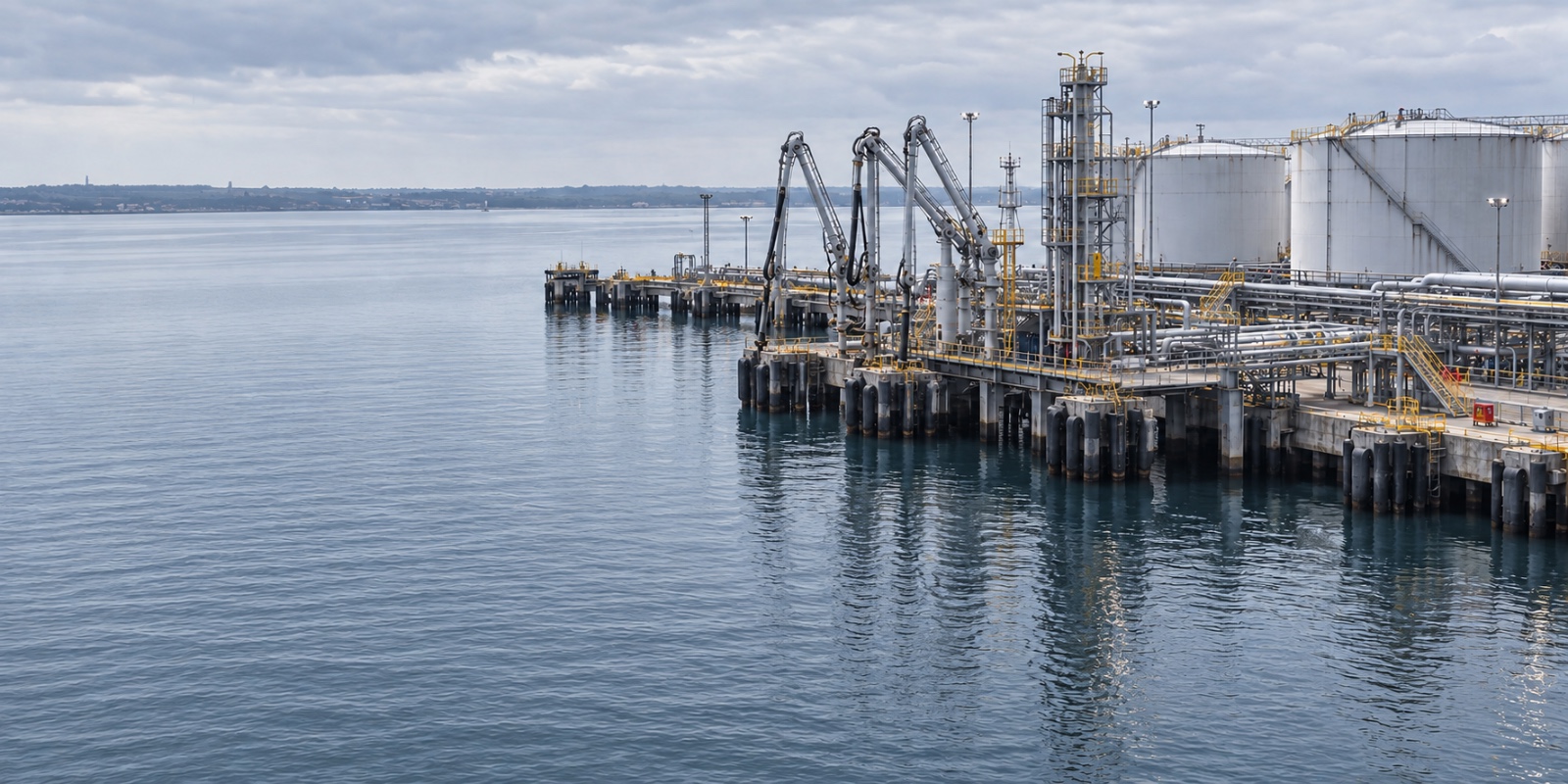
Critical infrastructure
Aerial attacks can damage key equipment, halt technological processes and lead to lengthy recovery.
Logistics & ports
Strikes on ports, terminals, warehouses and transport hubs can stop cargo handling, disrupt supply chains and cause contractual obligations to be missed.
Energy
Damage to power generation, transmission and distribution facilities directly affects the stability of businesses and critical services.
Production & storage
Industrial sites, fuel reserves, grain storage and distribution centres require constant monitoring of the air situation and readiness for rapid response.
Service formats
Three ways to work with us
Three specialised service formats, matched to the client’s objectives and operating environment.
Air
Air monitoring
What’s included
Continuous monitoring of the air situation using technical monitoring equipment, and detection of aerial targets.
Confirmation
Where necessary, UAVs are deployed for additional surveillance and visual verification of a detected event.
Result
Detection and confirmation of an aerial threat, followed by neutralisation of the target within defined procedures and authority.
Maritime
Water area monitoring
What’s included
Control of the designated water area, berths and approaches to the facility using uncrewed surface vessels and maritime monitoring equipment.
Result
Detection of threats from the air and water, target confirmation and coordination of its neutralisation within the area of responsibility.
Enterprise
Integrated 24/7 protection
What’s included
Air and maritime domains, plus a round-the-clock monitoring and coordination centre.
Result
The full protection cycle for a facility: detection, threat confirmation, operational response, target neutralisation and recording of the result.
What the client receives
An organised service — not just equipment
A structured monitoring and coordination service designed for a specific facility.
01Ready-made systemTechnical equipment, trained crews and organisation of work within the designated facility.
02Constant monitoringControl of designated zones and the air situation according to the agreed operating schedule.
03Event confirmationVerification of detected events using available surveillance assets and additional data.
04Operational coordinationA single point for gathering information and coordinating the work of the crews involved.
05Service continuityBackup aircraft, equipment and personnel to keep the service running in case of technical failure or replacement.
06ReportingEvent log, available surveillance material, telemetry and final reporting.